
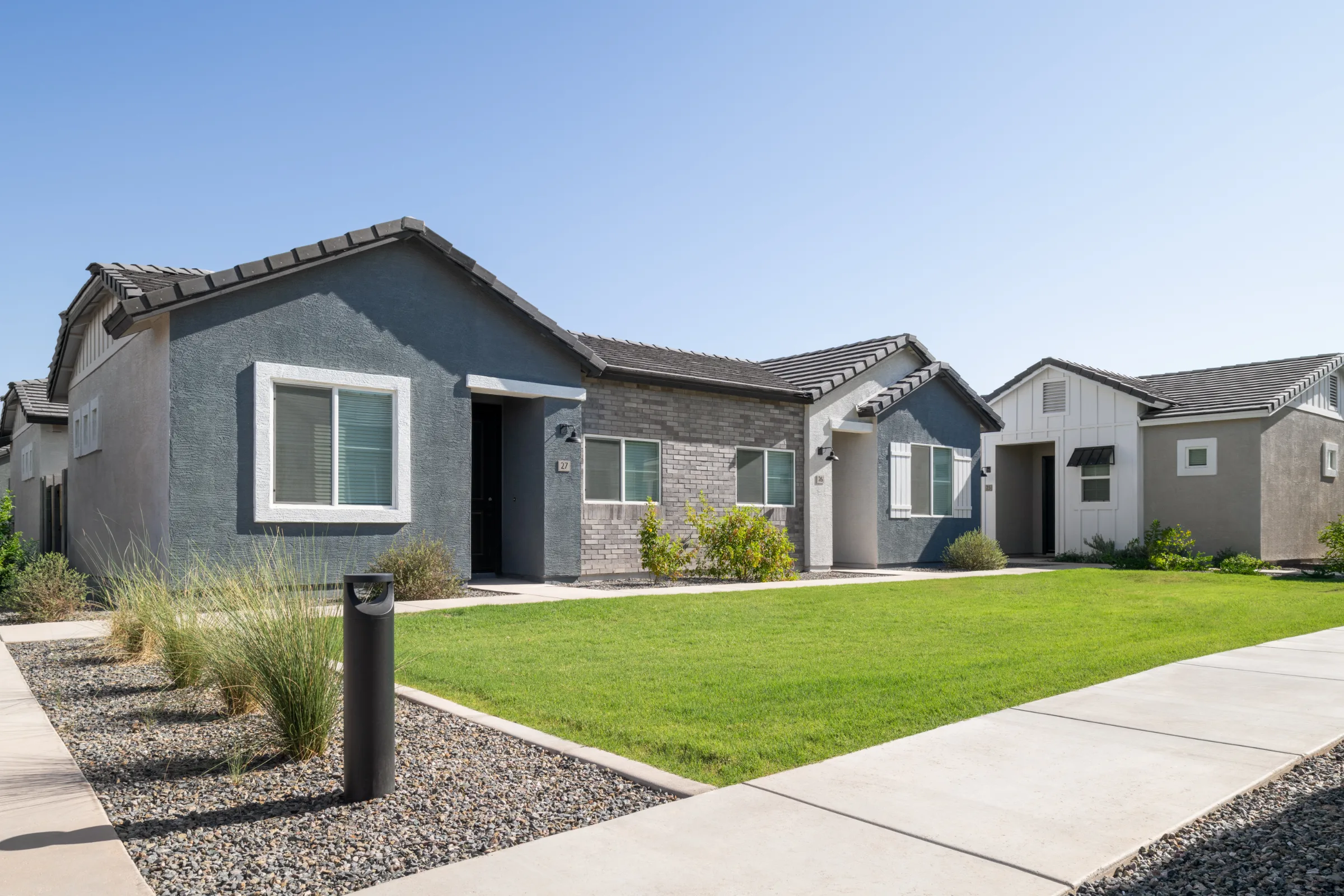
Build-to-Rent communities are homes designed from day one to be rented rather than sold, and run as one professionally managed neighborhood. Here is how the model works, why demand keeps growing and why investors are paying attention.
Start with everything people already know about a well-run apartment community: the pool, the fitness center, the clubhouse, the professional on-site management and the consistent leasing standards. Now lay it sideways.
Replace the apartment building with a neighborhood of homes. Give every resident a private yard and a front door of their own. Keep the amenities. Keep the management. Keep the community.
Every home is built to the same specification, every lease runs through the same operator, and every resident lives in a house and belongs to a community.
Build-to-Rent is growing because of long-term shifts in how people want to live and what they can afford, not a short swing in the market.
The U.S. is short more than 4 million homes. Purpose-built communities add new homes to the supply instead of competing with buyers for the ones that already exist.
A typical household now needs about $113,000 a year to afford a median-priced home, and renting costs less than owning in all 100 of the largest U.S. metros.
A growing share of renters could buy and choose not to. They want the space, yard and privacy of a house without the cost and upkeep of owning one.
Sources: Realtor.com, Housing Supply Gap report (March 2026); Bankrate (December 2025); LendingTree, rent vs. own study of the 100 largest metros (January 2026).
Investors usually weigh Build-to-Rent against two familiar options: apartment communities and single-family homes bought one at a time.
| Apartments | Scattered-site rentals | Purpose-built Build-to-Rent | |
|---|---|---|---|
| The product | Units in shared buildings | Existing houses bought one at a time | New homes built together as one community |
| Housing supply | Adds new units | Adds no new homes | Adds new homes |
| Consistency | Uniform units | Age, finishes and condition vary home to home | Same plans, specifications and finishes throughout |
| Operations | One site, one on-site team | Spread across neighborhoods and harder to maintain | One site, one operator, centralized maintenance |
| Residents | Shorter stays are common | Families who want a house | Residents who want a house, with lower turnover than apartments |
Turnover comparison: John Burns Research and Consulting survey of Build-to-Rent residents (2024).
A yard and room to raise children, without buying first.
Space to live and work from home, with the flexibility to move when life changes.
Single-level living with room, community and professional maintenance.
of Build-to-Rent residents identify as renters by choice, people who could buy but prefer to rent a home.
Source: John Burns Research and Consulting, 2024, as cited in Cavan Research, Build-to-Rent 2026 (May 2026).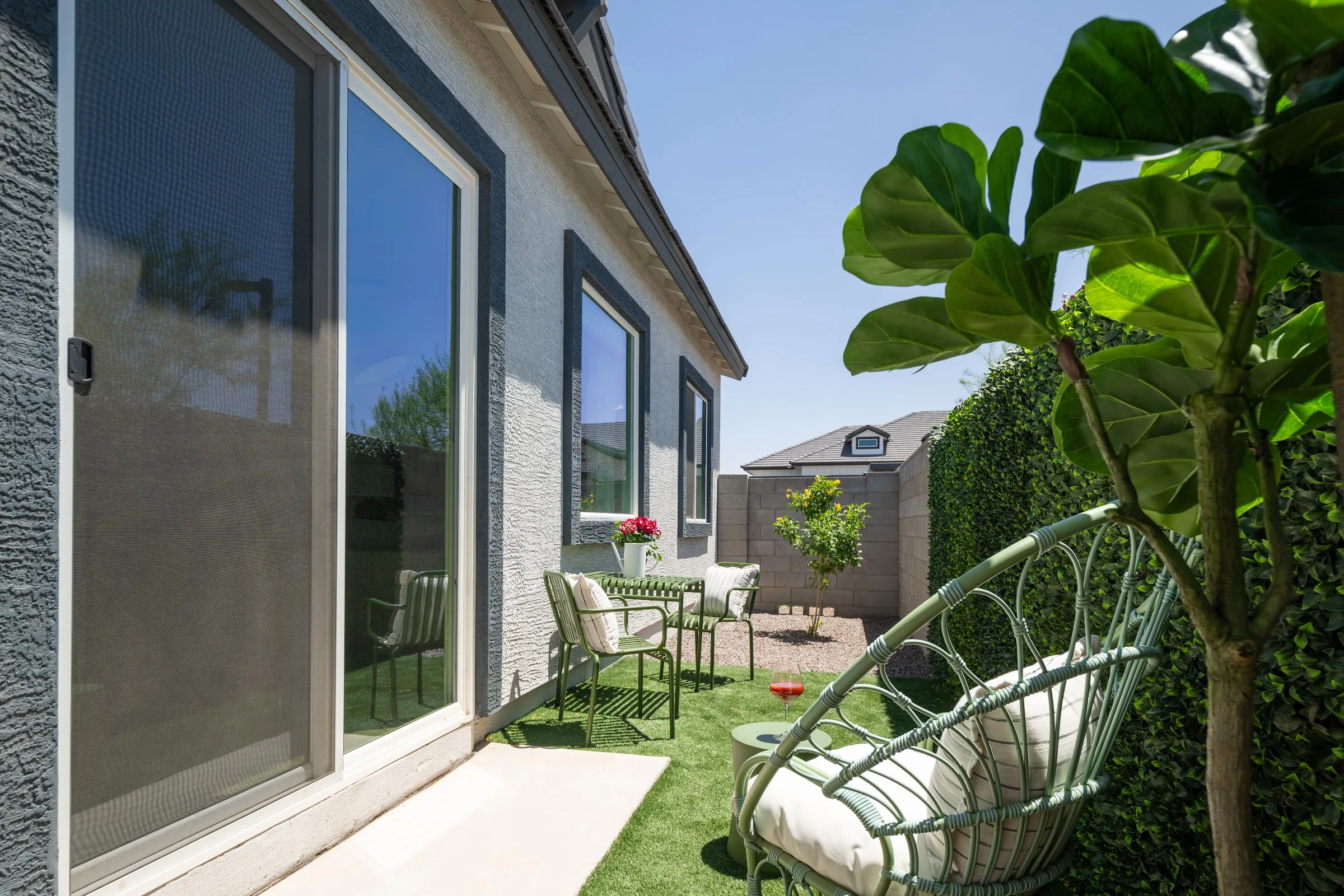
Cavan Companies builds one kind of Build-to-Rent: detached, single-story homes with no shared walls and no one above or below. Every home has its own front door, a private fenced yard, 10-foot ceilings and a dedicated laundry room.
For investors, the format matters. Single-story, detached homes appeal to the residents who tend to stay: families, working professionals and downsizers who want a house, not an apartment. Every home is built to the same plans and run by one operator, which keeps maintenance and operating costs predictable across the community.
Explore The Bungalows →| Conventional apartments | The Bungalows | |
|---|---|---|
| Walls | Shared with neighbors | Detached homes, no shared walls |
| Getting home | Stairs, elevators or hallways | Single-story, with your own front door |
| Outdoor space | Often a balcony or patio | A private fenced yard |
| Neighbors | Often above, below and beside | No one above or below |
A community of homes designed and built from day one to be rented rather than sold, and run as one professionally managed community rather than as scattered individual rentals.
It keeps what works in a well-run apartment community. The amenities and professional management stay. The apartment building is replaced by a neighborhood of houses, each with a private yard and its own front door.
A purpose-built community is planned, built to one specification and run by one operator. Scattered-site rentals are existing houses bought one at a time across different neighborhoods, where maintenance and operating costs are harder to keep consistent.
They want the space, yard and privacy of a house without the cost, upkeep or commitment of buying one. John Burns Research and Consulting found that 36% of Build-to-Rent residents identify as renters by choice (2024).
Demand rests on long-term factors: a national housing shortage, the high cost of buying a home and a growing number of people who choose to rent. Purpose-built communities meet that demand with new homes run by one professional operator, which keeps the product and operating costs consistent.
Both are professionally managed rental communities. Build-to-Rent replaces the apartment building with detached homes and private yards, which attracts residents who want a house and tend to stay longer. Industry research cited by Cavan shows lower turnover than conventional apartments.
Cavan builds only detached, single-story homes with no shared walls, a private fenced yard and a front door of their own. Many Build-to-Rent communities include townhomes, duplexes or two-story homes. Single-story living works for families, professionals and downsizers alike.
Find a community near you, or see the offerings for the communities we’re building now.
You are leaving cavancompanies.com and entering the Cavan Investor Portal, hosted by InvestNext. The portal is governed by separate Investor Portal Terms, which you must accept when you register, and by InvestNext’s terms and privacy policy. Offering materials in the portal are confidential and are available only to registered users.



 +1 (480) 627 7000